

Designing Emotion: How Objects Speak to Our Senses
In the contemporary art landscape, objects are no longer silent. They are designed—sometimes painstakingly, sometimes intuitively—to stir memory, provoke sensation, and ignite emotion. Nowhere is this more evident than in the work of Eastern European artists, whose creations bridge the poetic and the practical, the personal and the universal. Through their hands, ordinary materials become vessels for feeling, inviting audiences and collectors alike to listen with more than just their eyes.

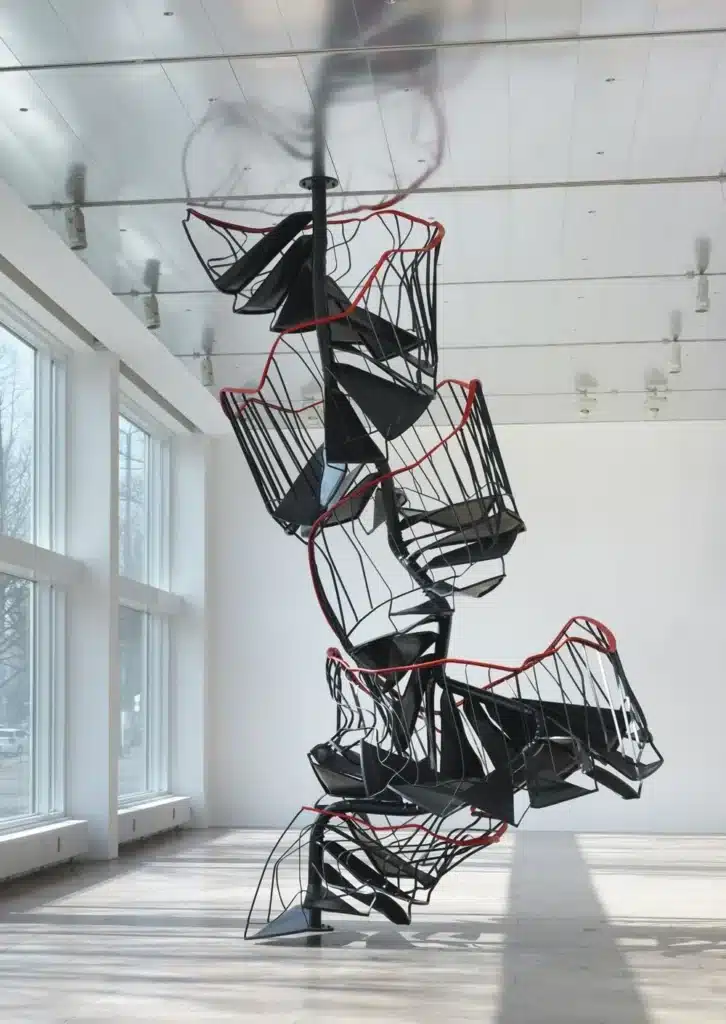
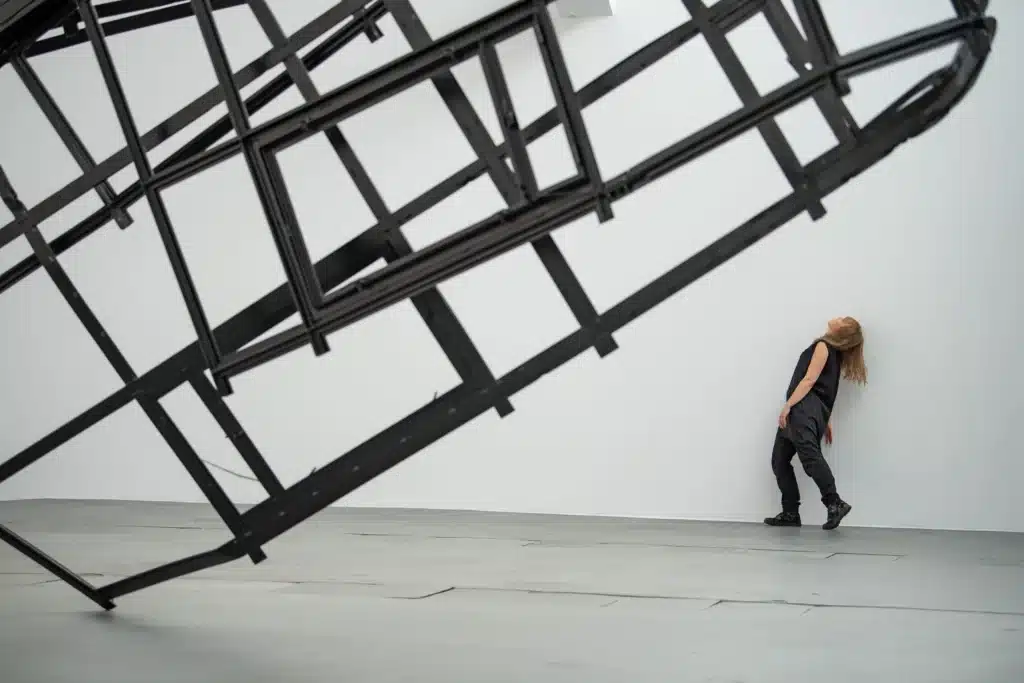

Curators across the region have gravitated to the tactile, multisensory installations of Monika Sosnowska. In works such as “The Staircase”, “Façade”, and “Handrail”, Sosnowska transforms industrial steel into twisted, almost organic forms. Her Warsaw studio is a landscape of metal fragments, welding sparks, and architectural sketches. Behind the scenes, the process is both physically demanding and deeply intuitive—each object shaped by a dialogue between resistance and surrender. Curators praise the way Sosnowska’s sculptures evoke the tension of post-Soviet urban life, while collectors are drawn to their imposing presence and emotional charge.
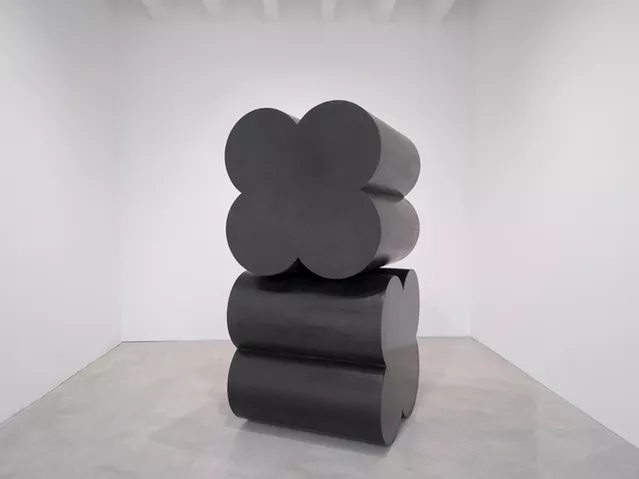

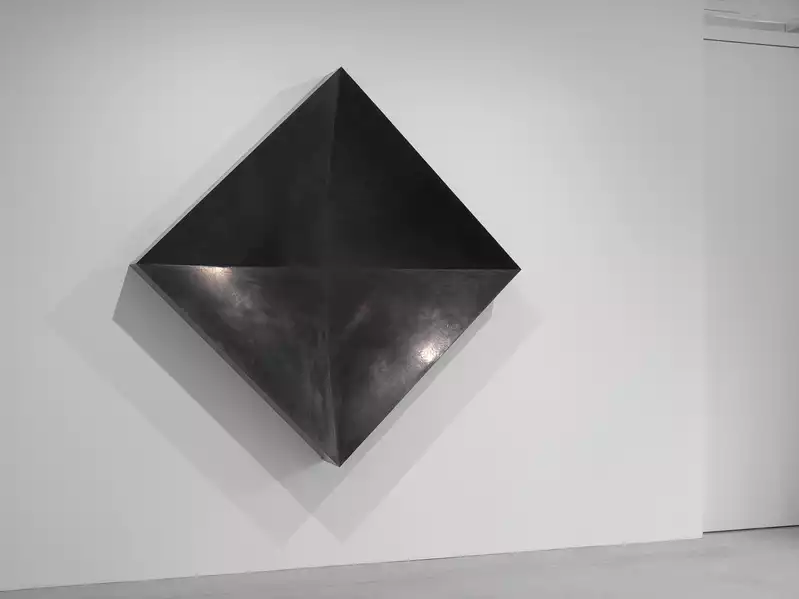
Another compelling voice is Michał Budny from Poland, whose delicate cardboard and paper constructions—“Untitled”, invite quiet contemplation. Budny’s studio is a haven of simplicity, where scissors, glue, and light become tools for distilling emotion. Curatorial essays often highlight how his objects, though humble, speak to the fragility and impermanence of experience. Collectors find in Budny’s work an accessible entry point to contemporary art economics, as his pieces are both conceptually rich and physically approachable—often acquired by first-time buyers seeking meaning over ostentation.


From Romania, Ioana Nemeș used her own daily emotions as raw material, translating feeling into color, text, and form. Her series “Monthly Evaluations”, “Times Colliding”, and “Time Exposure” are the result of a meticulous, almost scientific process: each object or installation is a record of lived sensation, coded in personal symbols. Nemeș’s studio practice blended analog materials with digital workflows—a crossover that now resonates with a new generation of artists and collectors attuned to the language of data and design. Curators remember her as a pioneer of emotional minimalism, crafting objects that gently demand empathy from all who encounter them. In the hands of these artists, objects become more than things: they are conduits for emotion, memory, and connection. Their work invites viewers to touch, remember, and feel—reminding us that design is not just about form, but about the stories and sensations each object carries. Which object speaks to your senses? Join the conversation and discover how Eastern Europe’s artists are designing emotion for a new era.
Let’s turn inspiration into action.
Contact us:
📧office@zaart.ro // office@creativprodesign.ro
🌐 zaart.ro // creativprodesign.ro
📞 +40722598544